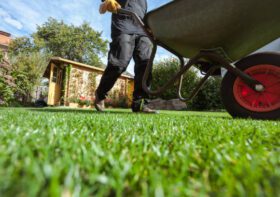
How to Create a Sustainable Summer Maintenance Plan for Your Backyard
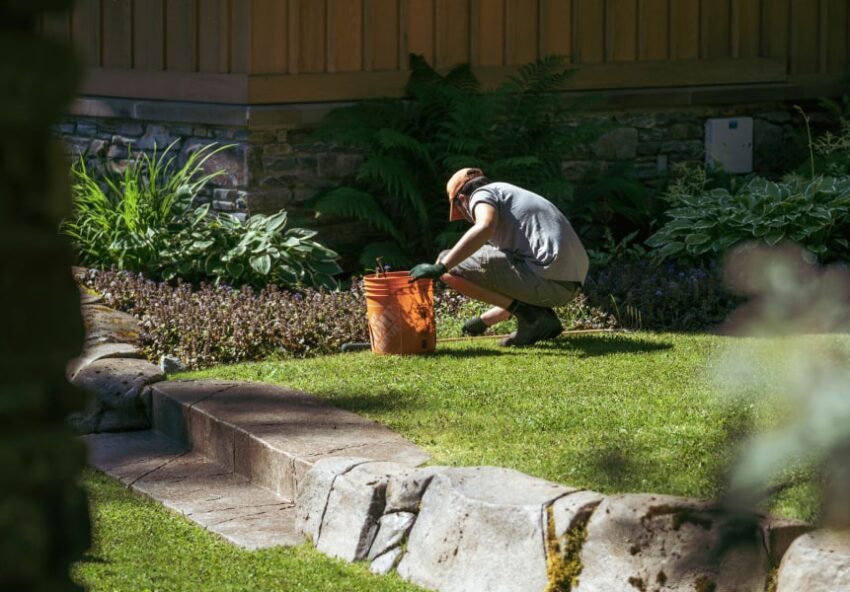
Many regard maintenance of a summer home as something to minimize damage – fixing brown patches, adding chemicals to the pool, running sprinklers in the heat of the day. This is costly, reactive, and unsustainable. It is better to design the backyard to be as self-sustaining as possible, using less water, chemicals, and money each year.
Start With Water – Where Most Waste Happens
Water is the most significant variable in any summer backyard. Your lawn, garden, and pool management will decide the majority of your associated costs.
For planted areas, the optimal transformation would be hydro-zoning – plants with similar water requirements are grouped so that drought-resistant plants are not next to thirsty ones and are not over-watered by default. Use a smart irrigation controller that analyzes real-time weather data so you don’t water the soil on days that don’t need it.
Mulching is the most underrated tool here. A 5-7cm bed over the garden beds stores moisture at the root level, reduces the temperature of the soil, and noticeably reduces irrigation time throughout the summer.
Where possible, greywater recycling starting with laundry or bathroom sinks can become a meaningful proportion of garden irrigation. This is simple to set up, and your main supply is under real pressure during dry months.
Building A Closed-Loop Lawn System
Lawns are usually a summer drain – needing regular watering, fertilizer, and lots of your time. A closed-loop system changes all that.
The first step is to use a mulching mower. Instead of bagging clippings and sending them off in a truck, let them lie on the lawn. Grass is about 4% nitrogen, so re-using cuttings as mulch means you can use a lot less bag-fertilizer on your lawn, and gradually improve soil moisture.
The second step is to feed the organic system by collecting food and yard waste in a bin, and applying it as a top dressing to your lawn in the form of finished compost. Healthy soil holds water better and needs fewer chemical inputs.
The third step is to encourage lawn alternatives, like garden borders with native plants. Natives are community-adapted, have fewer pest issues, and rarely require feeding once mature.
Managing Water Features Without Chemical Dependency
Maintaining a pool or water feature is the most complex of all summer maintenance tasks. In fact, being reactive about pool maintenance will end up costing you more than being reactive to most of the other summer maintenance issues combined.
The biggest pool maintenance cost is also something most people don’t realize – it’s the electricity to run your pump and heater. So right off the bat, get yourself on a time-of-day rate and run that pump and your water heater at night.
Second most costly is correcting for chemical imbalances or over-compensation. So first and foremost, remove everything from the water on a continuous basis (i.e. skimming), before you have to deal with it chemically. This means running the pump on off-peak hours and maintaining constant filtration cycles so that there’s little or no organic material in the water when you correct it. If you’re unsure where to start, looking into pool maintenance Perth specialists or those local to you can help you get your filtration and chemical routines properly set up from the outset.
Similarly, without a constant supply of wind-blown material floating on the water, it is easy for a robot cleaner to pick up.
Finally, a stable pool that depends on an ionizer and not a massive influx of heavy chlorine gas is going to be the cheapest pool you can run because you won’t be overcompensating for problems caused by too many chemicals. A pH that’s consistently just a little above neutral is better for swimmers and uses less chemicals.
Hardscaping And Lighting: The Parts People Forget
Two aspects that we never think about for summer prep are hardscape surfaces and outdoor lighting, but they can have impacts on sustainability.
Most people don’t think twice about the impermeable paving used around pools and as a terrace or pathway. It’s pushing water somewhere else and maybe over time causing drainage issues you’ll have to repair. Unlike impermeable paving, which can be concrete, stone, or sealed tiles, gravel, open-jointed pavers or cobbles, and decomposed granite all let water infiltrate rather than sheet off, creating a cleaner more minimal-looking garden.
Outdoor lighting is another summer consideration that you won’t have to think about if you make the right decision now. You don’t want all those lights bleeding into the night, attracting pests to the house. Outdoor lighting is worth auditing before summer starts. Motion-sensor fixtures on pathways and security points mean lights only run when needed. Solar-powered pathway lighting eliminates the wiring and running costs entirely. Beyond cost, reducing unnecessary light output at ground level is better for nocturnal insects, which are part of the pest control balance in any healthy garden.
Pest Management Without The Chemical Spiral
Using a lot of pesticides causes more trouble than it’s worth. Chemical sprays kill insects that eat pests, which means the following year there are even more bugs to deal with.
Instead, start by regularly scouting for problems before resorting to spraying. Think about barriers to stop pests getting to your plants, specific pests that need controlling, or predators of pests and how you can encourage them. And only use chemicals as a last resort.
A backyard managed like this is truly more resilient. Less frequent sprays, smaller pest populations, and greater numbers of beneficial insects all create a more stable ecosystem.
Likewise, changing the way you maintain your summer home might seem like too much effort. But most of these tricks take less time and energy than traditional methods once you make the switch. And then you’re not endlessly fixing your place every summer – which sounds like a win for everyone.