
How Changing Seasons Affect Real Estate Decisions

The real estate market is influenced by a variety of factors, and one of the most significant is the changing of the seasons. Throughout the year, shifts in weather, lifestyle patterns, and buyer behavior can create noticeable fluctuations in housing demand, inventory, and pricing. Understanding these seasonal trends can give both buyers and sellers a strategic advantage, helping them choose the right time to enter the market and make more confident decisions.
While spring and summer are often associated with peak home-buying activity, other seasons can offer unique opportunities that are sometimes overlooked. By recognizing how timing, local conditions, and broader market forces interact, individuals can better navigate the complexities of real estate transactions. Whether purchasing a first home or preparing to sell a property, a clear awareness of seasonal market dynamics can play a key role in achieving a successful outcome.
Understanding Seasonal Trends in Real Estate
Seasonal fluctuations significantly influence the real estate market, affecting both buyers and sellers. Recognizing these patterns can help you make informed decisions and optimize your real estate transactions. For those navigating the Portland, Maine market, consulting with experienced professionals like Portland ME real estate agent Ana Dierkhising can provide valuable insights and guidance tailored to the local landscape. Ana T.L. Dierkhising is a highly sought-after luxury real estate agent with an in-depth understanding of both San Francisco’s and Maine’s sophisticated luxury real estate landscapes. With a blend of expertise and genuine commitment, she is well-equipped to guide you seamlessly through even the most intricate real estate endeavors.
Spring and Summer: Peak Market Activity
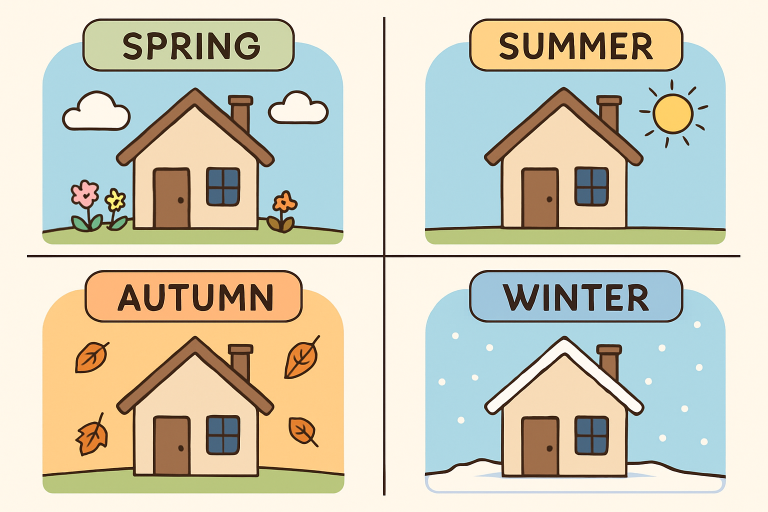
Traditionally, the real estate market experiences heightened activity during spring and summer. Warmer weather and longer daylight hours make property viewings more appealing. Families often prefer to move during these months to align with school schedules, which increases demand and, consequently, property prices. This period is characterized by competitive bidding and quicker sales. Recent studies confirm that housing market activity peaks in spring and summer, with prices and sales volumes moving in phase.
Another important aspect of the spring and summer markets is the increased competition among sellers. Homeowners often invest in small repairs and home staging to maximize their property’s curb appeal, hoping to stand out in a typically crowded market. Lush landscaping, blooming gardens, and vibrant neighborhoods contribute to a lively atmosphere for open houses, helping buyers to better envision themselves living in these spaces. Real estate agents often plan tours and promotional events on weekends to attract larger groups of interested buyers during this busy season.
Buyers in these seasons may need to act quickly to secure desirable properties. Many homes receive multiple offers, and sellers are frequently in the position to choose the most attractive terms, which may not always be the highest price, but may include faster closings or fewer contingencies. Financing can also become more urgent, with pre-approvals and quick decision-making essential to purchase success. Additionally, due to increased price competition, some buyers may find themselves stretching their budgets, which can lead to challenging negotiations.
Fall and Winter: Opportunities Amidst Slower Pace
As temperatures drop, the market typically slows down. Fewer buyers are actively searching, which can lead to decreased competition. Sellers may be more willing to negotiate, potentially resulting in better deals for buyers. However, the reduced inventory means fewer options are available. Insights suggest that while spring remains busy, lines have blurred due to remote work, leading to more consistent home sales throughout the year.
For sellers, putting a property on the market during fall or winter can seem daunting, but it can also come with benefits. Buyers shopping in colder months are generally more motivated; they may be relocating for jobs or other urgent circumstances and are often ready to move quickly. During these quieter periods, real estate agents can offer more personalized marketing strategies, such as high-quality virtual tours, professional photography, and targeted online advertising. This additional attention to fewer listings can sometimes lead to surprisingly favorable outcomes for sellers, especially those who ensure their homes are well-presented regardless of the season.
Buyers can leverage the seasonal slowdown to negotiate not only prices but also terms such as flexible closing dates or the inclusion of appliances and fixtures. Without the pressure of bidding wars, buyers and sellers often build a stronger rapport, resulting in smoother transactions. Home inspectors and contractors also tend to be more available, making it easier to schedule repairs or improvements as needed during the buying process. While winter’s shorter days and inclement weather might hinder curb appeal, they also test how properties handle the harshest conditions, providing valuable insight for those looking to invest for the long term.
Regional Variations in Seasonal Impact
Geographical location plays a crucial role in how seasons affect real estate. In areas with mild climates, such as the southern United States, the market may remain active year-round. Conversely, regions with harsh winters often see more pronounced seasonal fluctuations. For instance, in Portland, Maine, the market slows noticeably during the colder months.
Even within a single state or city, microclimates and local customs can affect the timing of real estate activity. Coastal towns, college communities, and vacation-destination regions may experience real estate cycles closely tied to tourist seasons, university schedules, or even local festivals. In Maine, the influx of summer visitors can lead to more home purchases in popular beach towns, whereas inland areas may rely on local economic factors. That’s why working with an agent familiar with unique regional rhythms is invaluable; their localized expertise ensures your strategy is attuned not just to broader trends, but also to neighborhood-level nuances.
Climate Change and Evolving Seasonal Patterns
Climate change is altering traditional seasonal patterns, a phenomenon known as “season creep.” This shift can lead to earlier springs and extended summers, potentially affecting the timing of real estate activities. Understanding these changes is essential for adapting strategies in the evolving market landscape. Research indicates that spring is arriving approximately 1 week earlier over recent decades, impacting various sectors, including real estate.
Climate-related concerns extend beyond just timing. Issues such as increased flooding, more frequent storms, and shifting temperature patterns influence buyer priorities and seller disclosures. In some areas, properties that were once considered highly desirable may face increased insurance premiums or new building code requirements due to evolving risks. Forward-thinking buyers are evaluating features such as renewable energy systems, resilient landscaping, and flood mitigation, while sellers are tasked with highlighting the steps they’ve taken to ensure climate resilience. As a result, seasonal trends that were once predictable now require greater flexibility, with market participants carefully tracking both weather forecasts and climate data.
Economic Factors and Their Influence
Beyond seasonal trends, economic conditions such as interest rates and employment levels significantly impact the real estate market. For example, rising interest rates can dampen buyer enthusiasm, even during peak seasons, while favorable economic conditions can boost market activity in traditionally slower periods.
Government incentives, industry developments, and local infrastructure projects can all play pivotal roles. New transportation links, zoning changes, or school openings may drive unexpected demand at atypical times of year. Additionally, in the digital age, remote work access means more buyers are free to move outside traditional high-activity windows, smoothing out some seasonal peaks and valleys. These economic and lifestyle shifts underscore the need to stay up to date on both macroeconomic factors and hyper-local developments, even for the most seasoned professionals, who rely on up-to-date market data to inform their strategies.
Adapting Strategies for Buyers and Sellers
For buyers, understanding seasonal trends can help in timing purchases to secure better deals. Sellers can strategize by listing properties during peak seasons to attract more buyers or during off-peak times to target serious buyers with less competition. Collaborating with knowledgeable professionals can provide tailored advice based on current market conditions.
Leveraging modern technology has become increasingly vital, regardless of the season. Virtual tours, remote closings, and digital marketing campaigns ensure greater flexibility and continuity even when road conditions or weather events make traditional showings difficult. Buyers can start their home searches online, filtering for must-have features and amenities, while sellers can showcase their home’s best attributes through immersive digital content. Working with a tech-savvy real estate agent ensures that properties gain maximum exposure and buyers gain prompt access to new opportunities as they arise. The successful navigation of seasonal shifts ultimately comes down to preparation, research, and adaptability.
Conclusion
Seasonal patterns remain an important part of understanding the real estate market, but they are only one piece of a larger and ever-evolving puzzle. From the busy activity of spring and summer to the quieter yet opportunity-filled months of fall and winter, each season presents distinct advantages and challenges for buyers and sellers alike. When combined with regional characteristics, climate considerations, and broader economic conditions, these seasonal shifts highlight the importance of staying informed and adaptable throughout the home-buying or selling process.
Ultimately, success in real estate comes from recognizing these trends while also relying on expert guidance and thoughtful planning. By working with knowledgeable professionals and remaining flexible as market conditions evolve, buyers and sellers can confidently navigate the changing landscape and make decisions that align with both their timing and long-term goals.